The Role of the Federal Reserve
Managing the 2007–2009 Financial Crisis
Much has been written over the past decade about the global financial crisis that occurred between 2007 and 2009. Some suggest that without the Fed's intervention, the U.S. economy would have slipped deeper into a financial depression that could have lasted years. Several missteps by banks, mortgage lenders, and other financial institutions, which included approving consumers for home mortgages they could not afford and then packaging those mortgages into high-risk financial products sold to investors, put the U.S. economy into serious financial trouble.
In the early 2000s, the housing industry was booming. Mortgage lenders were signing up consumers for mortgages that "on paper" they could afford. In many instances, lenders told consumers that based on their credit rating and other financial data, they could easily take the next step and buy a bigger house or maybe a vacation home because of the availability of mortgage money and low interest rates. When the U.S. housing bubble burst in late 2007, the value of real estate plummeted, and many consumers struggled to pay mortgages on houses no longer worth the value they borrowed to buy the properties, leaving their real estate investments "underwater". Millions of consumers simply walked away from their houses, letting them go into foreclosure while filing personal bankruptcy. At the same time, the overall economy was going into a recession, and millions of people lost their jobs as companies tightened their belts to try to survive the financial upheaval affecting the United States as well as other countries across the globe.
In addition, several leading financial investment firms, particularly those that managed and sold the high-risk, mortgage-backed financial products, failed quickly because they had not set aside enough money to cover the billions of dollars they lost on mortgages now going into default. For example, the venerable financial company Bear Stearns, which had been a successful business for more than 85 years, was eventually sold to JP Morgan for less than $10 a share, even after the Federal Reserve made more than $50 billion dollars available to help prop up financial institutions in trouble.
After the collapse of
Bear Stearns and other firms such as Lehman Brothers and insurance giant
AIG, the Fed set up a special loan program to stabilize the banking
system and to keep the U.S. bond markets trading at a normal pace. It is
estimated that the Federal Reserve made more than $9 trillion in loans
to major banks and other financial firms during the two-year crisis -
not to mention bailing out the auto industry and buying several other
firms to keep the financial system afloat.
As a result of this
financial meltdown, Congress passed legislation in 2010 to implement
major regulations in the financial industry to prevent the future
collapse of financial institutions, as well to put a check on abusive
lending practices by banks and other firms. Among its provisions, the
Dodd-Frank Wall Street Reform and Consumer Protection Act (known as
Dodd-Frank) created an oversight council to monitor risks that affect
the financial industry; requires banks to increase their cash reserves
if the council feels the bank has too much risk in its current
operations; prohibits banks from owning, investing, or sponsoring hedge
funds, private equity funds, or other proprietary trading operations for
profit; and set up a whistle-blower program to reward people who come
forward to report security and other financial violations.
Another provision of Dodd-Frank legislation requires major U.S. banks to submit to annual stress tests conducted by the Federal Reserve. These annual checkups determine whether banks have enough capital to survive economic turbulence in the financial system and whether the institutions can identify and measure risk as part of their capital plan to pay dividends or buy back shares. In 2017, seven years after Dodd-Frank became law, all of the country's major banks passed the annual examination.
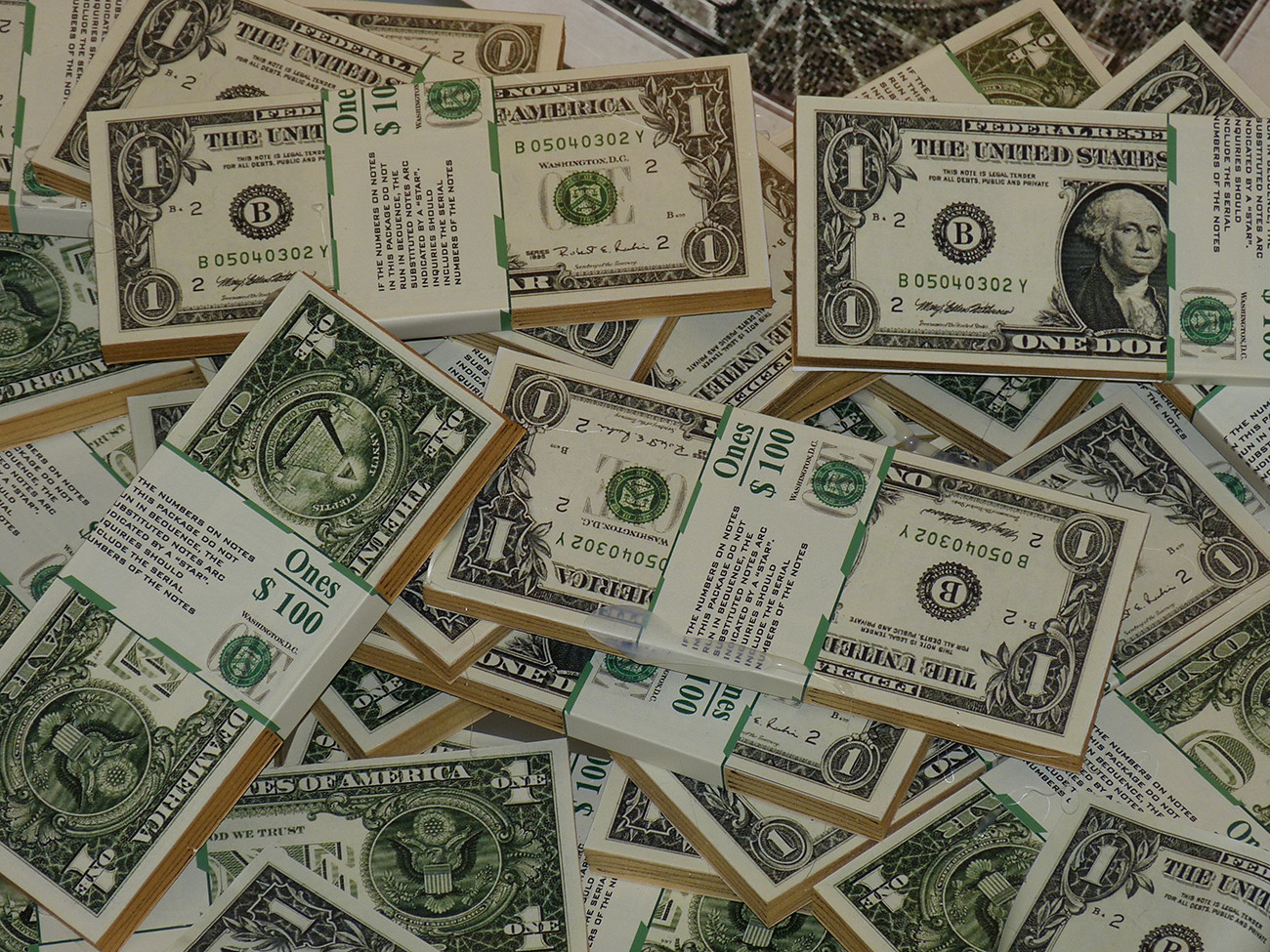
Exhibit 15.4 The Federal Reserve kept short-term interest rates close to 0 percent for more than seven years, from 2009 to December 2015, as a result of the global financial crisis. Now that the economy seems to be recovering at a slow but steady pace, the Fed began to raise the interest rate to 1.00–1.25 percent in mid-2017. What effect do higher interest rates have on the U.S. economy?
Concept Check
- What are the four key functions of the Federal Reserve System?
- What three tools does the Federal Reserve System use to manage the money supply, and how does each affect economic activity?
- What was the Fed's role in keeping the U.S. financial markets solvent during the 2007–2009 financial crisis?