Popular Culture and Social Media
Consuming and Resisting Pop Culture
People negotiate their relationship to pop culture in interesting and complex ways. To maintain or reshape our identities, we both resist popular culture, and actively consume it. If a social group participates forms of pop culture, individuals often feel that they should participate as well. On the other hand, if a social group has concerns about pop culture, individuals will often refuse to engage with that form as well.
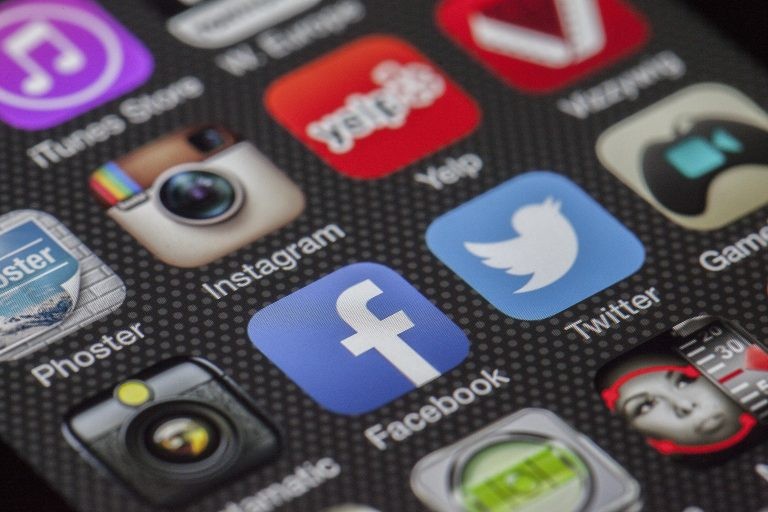
Facebook usage is a great example of this. According to Statista.com (ret. 7/25/19), seventy-nine percent of 18-49 year-olds in the United States used Facebook in February of 2019 while only forty percent of the 65 and older group did. According to the Pew Research Center (ret. 7/25/19), those in the 18-24 range embrace a variety of platforms (YouTube 94%, Snapchat 78%, Instagram 71%, and Twitter 45%) by visiting them multiple times (71%) a day. Interestingly enough, popular culture does not have to win over the majority of the people to be considered "popular". With usage by approximately a quarter of the world’s population, Facebook or Meta can be considered an elite purveyor of pop culture.