Popular Culture and Social Media
Cultural Values and Pop Culture
There has been a plethora of interesting research on social media and pop culture from an intercultural communication perspective. As the focus of this class is to introduce all aspects of intercultural communication, we can only cover a few highlights in this chapter.
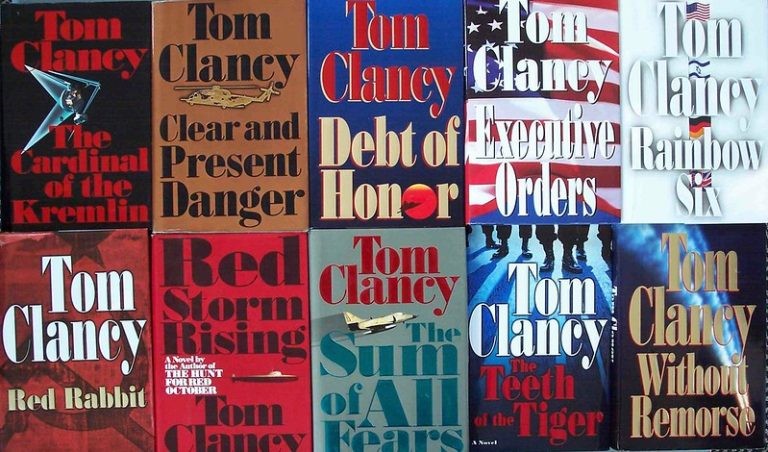
Researchers Daniel and Musgrave have illustrated that the "synthetic experiences" of pop culture and social media (films, novels, television, video games) can change beliefs, reinforce preexisting views, or even displace knowledge gained through more traditional ways of learning about other cultures. They explored how a Tom Clancy book influenced US relations with the Soviet Union and 9/11.
Another researcher studied the correlation between the willingness to learn the English language and being exposed to pop culture and social media. The correlation was so high that the author encouraged teachers to allocate as much time as possible to using pop culture to help students learn English.
Intercultural scholar, Chen Guo Ming, has stated that pop culture and social media "not only influences the form and content of information/messages, but it also affects how people understand each other in the process of human communication, especially for those from different cultural or ethnic groups". He has explored changes in e-communication, cultural identity, intercultural relationships, adaptation, and intercultural conflict.