Popular Culture and Social Media
Cultural Attributes
We can sort the world into regions based on cultural attributes. We can also sort the material artifacts of culture into three general attribute areas: popular, high, and folk culture.
Historically humans have lived in small groups practicing folk culture. Much of folk culture dates to a time of human cultural development that was dependent on agriculture. The industrial age ushered in the idea of popular culture. Pop culture is a phenomenon in which large numbers of people in very different places are adopting the same or similar culture practices due to globalization. Seemingly timeless yet elite aristocratic expressions of culture are known as high culture.

Popular Culture
Popular culture is associated with the everyday, the mainstream, and that which is commonly accessible. It is culture produced for mass consumption and commercial gain. In other words, popular culture has huge appeal and functions to bind together large masses of people into a unified cultural identity.
Pop culture or low culture as it is sometimes referred to, has been described as being commercially successful, self-sustaining, and self-perpetuating. TikTok and all its video challenges are a great example. Pop culture is always looking for the "new," but the new is often recycled from previous generations, other cultures, or folk cultures. Pop culture can be revolutionary, though this is often unintentional.
It is common for popular culture to produce spectator-participants who form a community of believers or adherents to the culture they are consuming. These spectator-participant communities can have a powerful identity role and become a "glue" which binds members together. Discord is filled with such communities often called servers. Certain forms of pop culture are characteristic of certain co-cultures. Pop culture celebrates the people who are experiencing it.
Pop culture can be viewed from multiple evaluation points, allowing individuals the freedom to assess and form opinions about topics. For example, a social media group talking about a new TV show versus a more in-depth program that explores the director's vision for the show or even a website interviewing the actors from the show.
The origins of pop culture lie in the American Industrial Revolution of the late 18th century when rural people migrated to American cities in large numbers. The newly emerging and densely populated cities allowed news of cultural items to spread rapidly. New means of mass production and the rise of the middle class made consumption of cultural items less expensive and easier to find. After World War II, innovations in radio and television broadcasting or mass media also led to significant cultural and social changes.
High Culture
High culture, on the other hand, isn't meant for mass consumption. It might not be easily available to everyone. Consumers might need training or education to fully appreciate the benefits of high culture. It's also possible that consumers of high culture might need to purchase costly equipment or memberships to participate in high cultural activities. Because of these limitations, high culture often belongs to social or economic elites, and does not often cross over into the realm of the masses. In the US, examples of high culture could be opera, ballet, classical music, an appreciation of fine wine, horse polo matches, or other items associated with "sophisticated" tastes.
Folk Culture
If popular culture is for the masses, and high culture is for the elites, folk culture is a localized form of culture. Folk culture refers to the rituals and traditions that maintain a cultural group identity. According to Wikipedia, "folk culture is quite often imbued with a sense of place. If elements of folk culture are copied by, or moved to, a foreign locale, they will still carry strong connotations of their original place of creation" (7/21/19). Examples of US folk culture could be quilt-making, powwows, cakewalks, hula, Shaker furniture, corn dogs, and Creole cuisine.

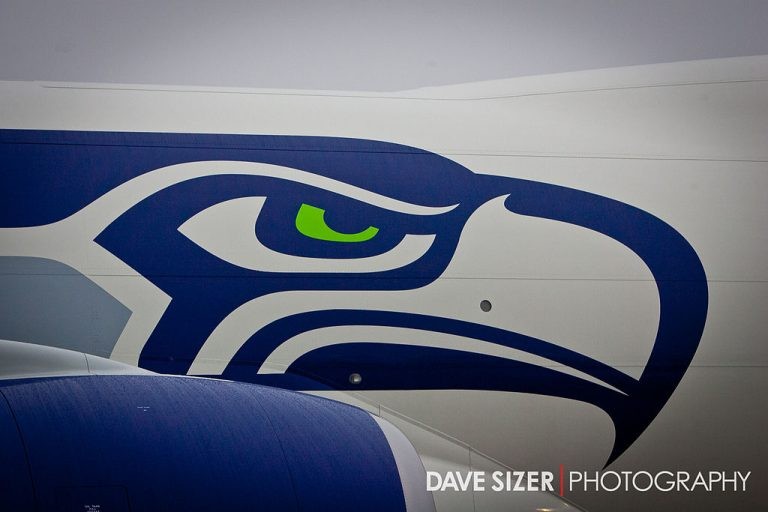
Folk culture often informs pop culture and has even influenced high culture, but once folk cultural icons have become so internationalized that they have lost their original sense of place, they are no longer part of folk culture. An example of this could be the Seattle Seahawks football team emblem. The original 1975 emblem was derived from a picture of a Kwakwaka'wakw tribal mask found in an art book (http://wearefanatics.com/seattle-seahawks-logo, ret. 8/28/19). Most Seahawk fans will recognize the NFL logo instantly but have little or no understanding that a "sea hawk" is the nickname for an osprey, and that the original sea hawk mask used as a basis for the team emblem was a "transformational" mask with a specific religious meaning (https://www.audubon.org/news/what-seahawk-anyway, ret. 8/28/19).
Cultural Attribute Diffusion
Similar, but not the same as global convergence, cultural diffusion is about the geographical and social spread of different aspects of one or more cultures. Whereas global convergence is more about the import of a cultural product from one place to another, cultural diffusion is about the creative processes and adaptation of cultural traditions and ideas.
There are many types of cultural diffusion, but some examples would be US originated fast-food restaurant McDonalds developing different menu items for different parts of the world. Or the spread of musical forms such as "Dancehall" which came from Jamacia has now clearly influenced some of the music from Drake or Rihanna and Brazilian artist Lai Di Dai.
If you are interested in how popular culture impacts your life, look around. Did you buy a lot of Vans because your really like them? How many of your friends own them? Next check your clothing. Are you buying things because you like them or because they are popular?
What about your entertainment choices? The 2019 DC Comics film, AQUAMAN, grossed over $1 billion dollars making it the highest-grossing DC Comics film. A former student and her husband looked forward to watching it because of its popularity, but was disappointed when they finally saw it. "We sat and watched the entire thing even though it was cheesy and not very well made. Why? Probably because we have watched many other superhero movies over the years that have taken over the movie scene".
According to Kathryn Sorrells, there are several ways that we can become informed consumers of popular culture. First, we should increase awareness of what role media plays in forming views, normalizing ideas, and spreading stereotypes. Second, we need to understand that we have a choice in what media we consume and what we don't. And third, we do not have to accept what mass media promotes. Kalle Lasn, author of Cultural Jam, introduced the idea of cultural jamming which is a form of public activism that helps us to become better interpreters of media rather than simply consumers.