Tourism
Tourism and New Media
Tourists and hosts are using new media as never before. Tourists are skipping the traditional ways of booking vacations and directly interacting with hosts and cultural organizations. Hosts are enticing, inviting, and advertising their experiences directly to the public. Free apps allow tourists and hosts to talk directly over the internet. Pre-departure information is no longer in the sole control of travel agents, airlines, and hotels.
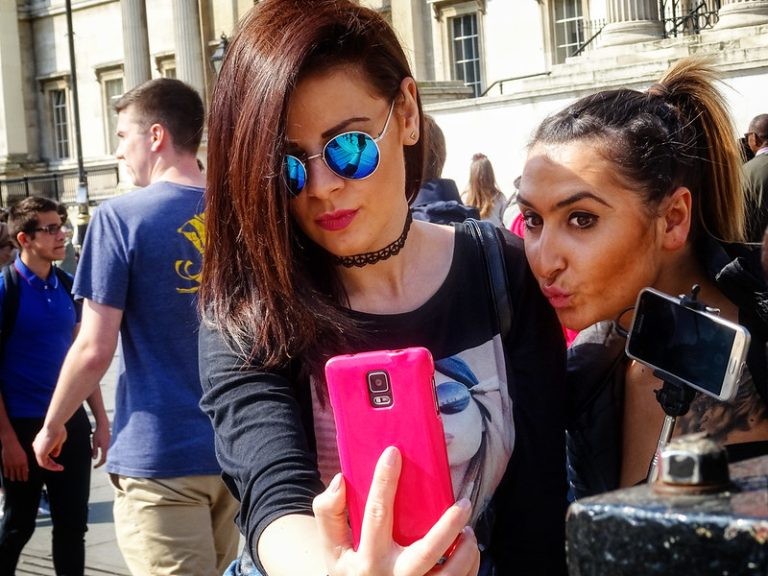
Fascinating research is being done by Thurlow & Mroczek that explores the ways that the micro-blogging (web-based self-reporting of short messages) is changing the tourist experience. Facebook, Instagram, and Twitter use self-reporting to share what one is doing, thinking, and feeling at any moment. Viewers can not only experience the trip in real time, but also plan the same experiences with the contacts provided.
Another new media impact on tourism is cyber tourism and virtual tourists. Cyber tourism is the application of new technologies such as GIS or Google Earth to create realistic experiences. Cyber tourism can lead to actual physical tourism, but for those without the time and money, or have other restrictions to prevent travel, new technologies offer a viable alternative.
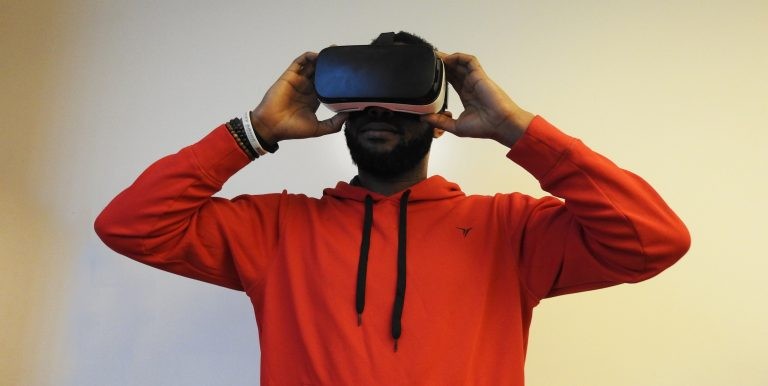
Back in 2001, Lonely Planet noticed a group of people who would buy travel books, but never travel. They called these people, virtual tourists. Today's virtual tourist uses an enhanced virtual environment that can be seen through a headset or on a computer. This augmented reality merges the real and virtual world together into virtual reality. Although a new and emerging experience, various organizations such as museums, cultural groups, and travel agencies are beginning to offer this interesting way to "travel".
The United Nations is also jumping into the tourism and travel industry with a non-governmental organizational (NGO) called E-Tourism. The aim of E-Tourism is to help developing countries make the most of their tourism potential without all the stress of environmental consequences. The internet is packed with plans and discussion of tourism potential from such varied places as Afghanistan to Botswana.