Healthcare
Religion and Healthcare
When people become ill, and the treatment isn't effective, some people are driven to seek answers to questions from sources outside of the science-based medicine process. The role of religion and spirituality in healthcare raises several issues about ethical ways to incorporate healthcare practices into existing beliefs. Some providers worry about religious freedom issues, while others may not be aware of the diversity of religious beliefs surrounding health care.
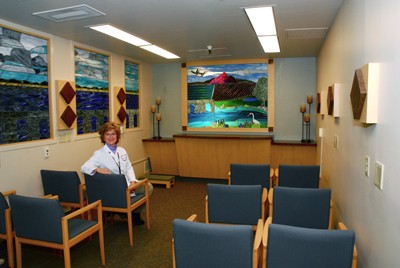
Religious beliefs can impact concerns about modesty and being treated by someone of the opposite sex. Some patients will refuse to consume certain foods or eat at certain times or even take medications that are produced using problematic processes. Pain medications may be welcomed or shunned because of beliefs. Healthcare providers may also be asked to minimize actions that might disturb the sick person. Washing, fasting, jewelry might have to be negotiated with providers. Other points of negotiation might be blood and organ donations, transplants, withholding or providing life-sustaining therapy, and the burial of amputated limbs. Family and faith community members might expect to keep company with a dying patient, and for some the bodies of the dead may have to be buried or cremated as soon as possible. And it cannot be stressed enough that rituals and prayers occur in a variety of different ways, but they are all viewed as a necessary part of the healthcare process.
Learn a bit more!
While religious and spiritual beliefs may vary, there are strategies for helping healthcare professionals serve religious patients. The following is a compilation put together from lists provided by the Agency for Healthcare Research (2015), the US Health Resources & Services Administration (ret. 8/10/19), the University of Pennsylvania Medical System (2008), the University of Washington Medical Center (1997), and the Canadian Paediatric Society (2019).
- Help patients feel comfortable at the facility.
- Establish a relationship with patients by supporting or encouraging religious beliefs.
- Provide health information in ways the patient accepts.
- Maintain good communication with patients
- What do you call your illness and what do you think caused it?
- Is there anything I should know about your culture, beliefs, or religious practices that would help me take better care of you?
- Do any traditional healers advise you about your health?
- Do you have any dietary restrictions that we should consider as we develop a food plan?
- Your condition is very serious. Some people like to know everything that is going on with their illness, whereas others may want to know what is most important but not necessarily all the details. How much do you want to know? Is there anyone else you would like me to talk to about your condition?
- Show patients respect by viewing religious and spiritual support as part of the healthcare plan.
- Be ready for when religious and spiritual support are not available.