Healthcare
Patient and Diversity Issues
The US has one of the most diverse societies in the entire world. There are residents and visitors from almost every place on the planet therefore US healthcare must be approached from a multi-cultural perspective. Doctors face effective communication issues, trying to understand the various cultural and co-cultural issues, and the reality that accessible care might not be available to all patients. Patients face language issues, lack of knowledge of healthcare and treatment options, and historical treatment within healthcare systems.

Language Issues
Healthcare professionals often use medical terminology or jargon. Medical terminology is the scientific language used by doctors to describe specific medical conditions. Examples of medical terminology could be thrombosis for a blood clot and hypertension for high blood pressure. Jargon is often the shorthand used between people practicing the same profession and it might have no meaning outside the profession. Examples of jargon in the healthcare world would be BP for blood pressure, NPO (nil pers os) or nothing by mouth, and c-section for birth by caesarian section.
Another issue is that healthcare providers and patients may both operate out of an ethnocentric framework without realizing it. Cultural beliefs and the ensuing approaches to healthcare are so fundamental to a human being that they are not often overtly communicated, but rather just assumed. For instance, people from different cultures do not always report pain in the same ways, which easily leads to miscommunication in cross-cultural encounters (Lee et al., 1992) and the assumption that some cultures do not feel pain. In working with patients from other cultures, healthcare providers can learn as they go, but this has the potential to be dangerous when dealing with diagnosis and treatment of issues.
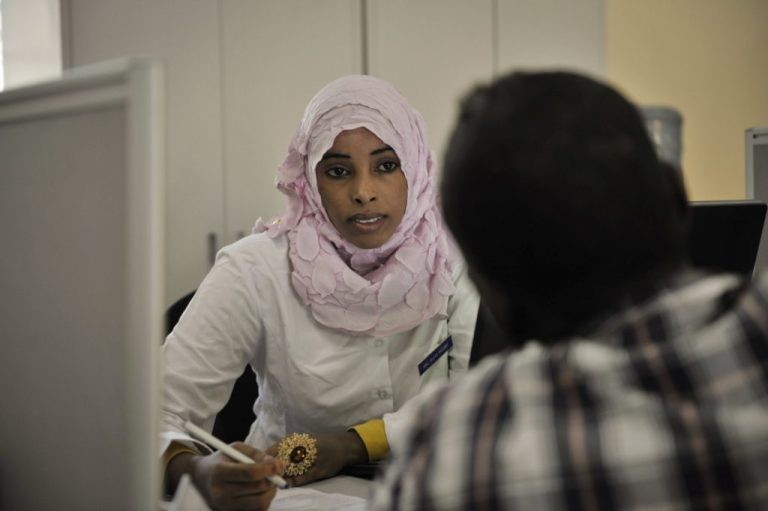
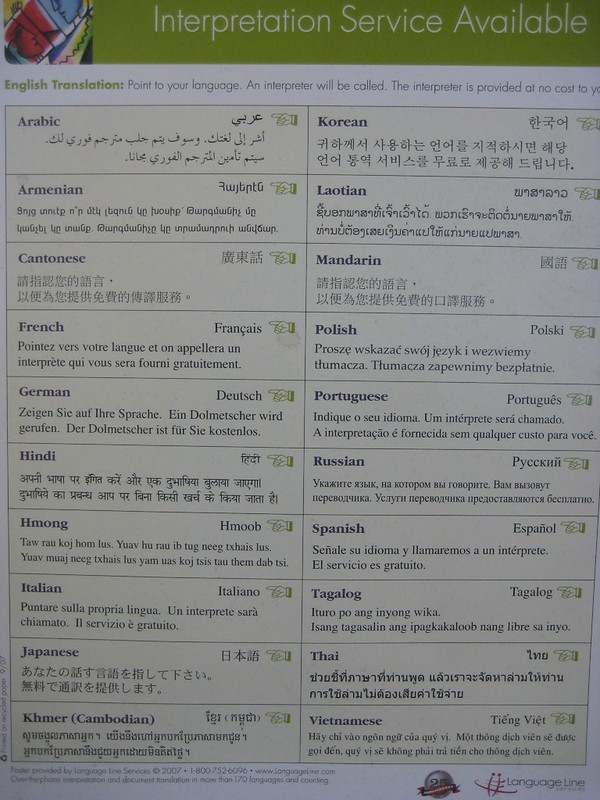
Today 60 million US Americans (nearly 1 in 5) speak a language other than English at home and of that 60 million, 25 million self-identify as not speaking well. Finding adequate translators and interpreters who are familiar with medical terminology is difficult. There is plenty of evidence that gaps in translation can lead to adverse outcomes, but one thing is even more clear, patients can't make decisions about treatment without a competent medical translator. As more of the patient's family and friends' attempt to translate, there is more potential for harm than good.
And lastly, treating patients is not always a matter of communication just between doctors and patients. Most cultures have laws regarding healthcare issues and practices. In the United States the judicial issue of informed consent requires that all patients receive full information enabling them to freely make decision about their own health care. This might make sense to you, but in some family-centered cultures, this might be a problem. In this case, families and extended families may expect to be actively involved by providing input and support on treatment decisions.
Historical Treatment of Cultural Groups
Widespread stereotypes and prejudice directed toward different cultural groups have fostered differential treatment for some groups - especially racial and ethnic minorities. Some historical examples that you might be familiar with are Josef Mengele, the SS physician at Auschwitz, Germany who conducted experiments on Holocaust prisoners that included giving prisoners infections to watch the progression of the disease and spraying them with chemicals to test possible chemical warfare solutions.

In the 1930s and 1940s, Japan's Imperial Army Unit 731 conducted biological warfare and medical testing on Chinese civilians. As many as 200,000 people were impacted. There were also the Asian "comfort women" of World War II. The term comfort woman is a euphemism for women that were captured and forced to work in brothels. Many experienced great cruelties without access to medical care.

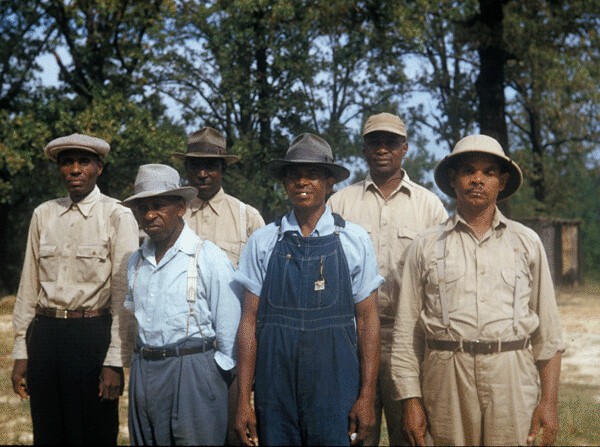
Of course, in the United States, there was the Tuskegee Syphilis Project that lasted for 40 years (1932-1972) in which researchers conducted a study on the health effects of untreated syphilis. African American men who enrolled in the "project" were told that they were being treated for "bad blood". During the same time, the US was also doing experiments with syphilis in Guatemala on prisoners and individuals with mental illness. Based on both recent and historical atrocities, it is not surprising that some cultural groups are suspicious of healthcare.
Prejudicial ideologies or sets of ideas based on stereotypes, can cause significant barriers to intercultural communication, and may influence the quality of care that patients receive. Patients may enter the healthcare system with their own prejudices based on historical events, distrust of doctors, distrust of certain treatments, and more. Professional healthcare workers may lack an understanding of healthcare provided outside of the traditional western system and that are a part of cultural traditions other than their own.