Conflict
- 2d Explain four ways to deal with conflict in intercultural interactions (CLO 1, CLO 4)
- 2e Apply the four-skills model to intercultural conflict management (CLO 4, CLO 6)
Cultural Variations and a Culturally Relative Model
The strongest cultural factor that influences your conflict approach is whether you belong to an individualistic or collectivistic culture, but power distance and context may alsoplay a role in cultural variations of conflict expression.
Individualism and Collectivism
People raised in collectivistic cultures often view direct communication regarding conflict as personal attacks, and consequently are more likely to manage conflict through avoidance or accommodation. People from individualistic cultures feel comfortable agreeing to disagree, and don't particularly see such clashes as personal affronts. They are more likely to compete, react, or collaborate.
Gudykunst & Kim suggest that if you are an individualist in a dispute with a collectivist, you should consider the following:
- Recognize that collectivist may prefer to have a third party mediate the conflict so that those in conflict can manage their disagreement without direct confrontation to preserve relational harmony.
- Use more indirect verbal messages.
- Let go of the situation if the other person does not recognize the conflict exists or does not want to deal with it.
If you are a collectivist and are conflicting with someone from an individualist culture, the following guidelines may help:
- Recognize that individualists often separate conflicts from people. It's not personal.
- Use an assertive style, filled with "I" messages, and be direct by candidly stating your opinions and feelings.
- Manage conflicts even if you'd rather avoid them.
High and Low Power Distance
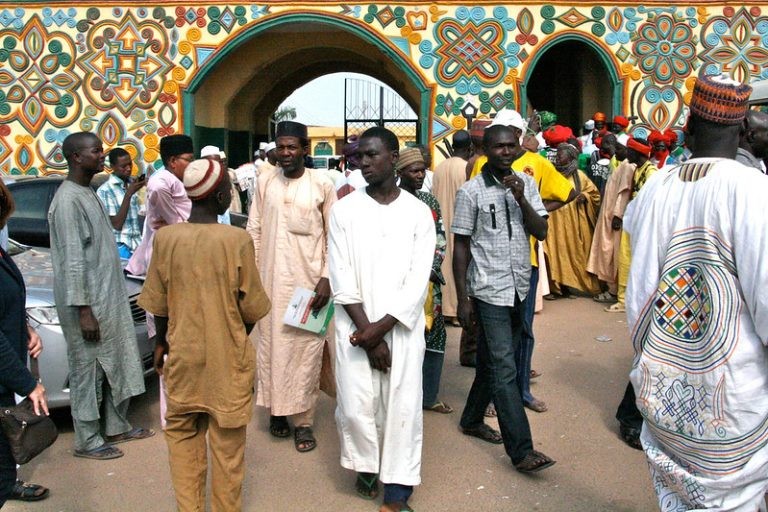
Conflict within a low power distance culture where people relate to each other as equals, there would be more opportunity to challenge the decision-makers, give in-put, and provide or negotiate an alternative to the conflict. If you are having conflict in a high power distance culture, the power framework of the culture may prevent participation outside of the decision-makers. High power distance cultures may have learned that less powerful people must accept the decisions without comment, even if they have a concern. In this case, conflict resolution must consciously solicit feedback and discussion if equal representation is the desire.
High and Low Context
In high context cultures conflict resolution depends on what is not being said. People involved must be able to infer all the meanings being communicated therefore a higher level of understanding of the culture is required.
In low context cultures messages are explicit and might be presented in more than one way to ensure understanding of what is wanted or expected. People may raise their voices, speak rapidly, express their thoughts in very direct and seemingly rude ways. Less value is placed on nonverbal codes.
One common way to notice the difference between high and low context cultures is the use of the words, yes and no. A member of a high context culture may verbally communicate "yes," when they are definitely communicating "no" through their nonverbals. Those nonverbals could include context, tone (soft volume), gaze (looking down or away), facial expressions, and the amount of time taken to voice a verbal yes. In a high context culture, a verbal "yes" does not always mean agreement. In a low context culture, a verbal "no" means no.
The Four Skills Approach
Learning to recognize cultural values in actions and behaviors allows communicators to be more effective when negotiating conflict. If the Seven Steps Conflict Resolution Model mentioned above is too ethnocentric, try working with the more ethno-relative Four Skills Approach based on the previously mentioned Conflict Face-Negotiation Theory. These skills are:
- Mindful Listening: Pay special attention to the cultural and personal assumptions being expressed in the conflict interaction. Paraphrase verbal and nonverbal content and emotional meaning of the other party's message to check for accurate interpretation.
- Mindful Reframing: This is another face-honoring skill that requires the creation of alternative contexts to shape our understanding of the conflict behavior.
- Collaborative Dialogue: An exchange of dialogue that is oriented fully in the present moment and builds on Mindful Listening and Mindful Reframing to practice communicating with different linguistic or contextual resources.
- Culture-based Conflict Resolution Steps is
a seven-step conflict resolution model that guides conflicting groups
to identify the background of a problem, analyze the cultural
assumptions and underlying values of a person in a conflict situation,
and promotes ways to achieve harmony and share a common goal.
- What is my cultural and personal assessment of the problem?
- Why did I form this assessment and what is the source of this assessment?
- What are the underlying assumptions or values that drive my assessment?
- How do I know they are relative or valid in this conflict context?
- What reasons might I have for maintaining or changing my underlying conflict premise?
- How should I change my cultural or personal premises into the direction that promotes deeper intercultural understanding?
- How should I flex adaptively on both verbal and nonverbal conflict style levels in order to display facework sensitive behaviors and to facilitate a productive common-interest outcome?