
Conflict
- 2d Explain four ways to deal with conflict in intercultural interactions (CLO 1, CLO 4)
- 2e Apply the four-skills model to intercultural conflict management (CLO 4, CLO 6)
Dealing with Conflict
How people choose to deal with conflict in any given situation depends on the type of conflict and their relationship to the other person. Cognitive conflicts with close friends may be more discussion based in the United States, but more accommodating in Japan. Both are focused on preserving the harmony within the relationship. However, if the cognitive conflict takes place between acquaintances or strangers, where maintaining a relationship is not as important, the engagement or dynamic styles may come out.
Considering all the variations in how people choose to deal with conflict, it's good to know the different characteristics of each one.
Destructive and Productive
Destructive conflict leads people to make sweeping generalizations about the problem. Groups or individuals escalate the issues with negative attitudes. The conflict starts to deviate from the original issues, and anything in the relationship is open for examination or re-visiting. Participants try to jockey for power while using threats, coercion, and deception as polarization occurs. Leaders display militant, single-minded traits to rally their followers.
Productive conflict features skills that make it possible to manage conflict situations effectively and appropriately. First the participants narrow the conflict to the original issue so that the specific problem is easier to understand. Next, the leaders stress mutually satisfactory outcomes and direct all their efforts to cooperative problem-solving. Research from Alan Sillars and colleagues found that during disputes, individuals selectively remember information that supports themselves and contradicts their partners, view their own communication more positively than their partners', and blame partners for failure to resolve the conflict. Sillars and colleagues also found that participant thoughts are often locked in simple, unqualified, and negative views. Only in 2% of cases did respondents attribute cooperativeness to their partners and uncooperativeness to themselves.
Competitive and Cooperative
Competitive conflict promotes escalation. When conflicts escalate and anger peaks, our minds are filled with negative thoughts of all the grievances and resentments we feel towards others. Conflicted parties set up self-reinforcing and mutually confirming expectations. Coercion, deception, suspicion, rigidity, and poor communication are all hallmarks of a competitive atmosphere.
Cooperative conflict promotes perceived similarity, trust, flexibility, and open communication. If both parties are committed to the resolution process, there is a sense of joint ownership in reaching a conclusion.
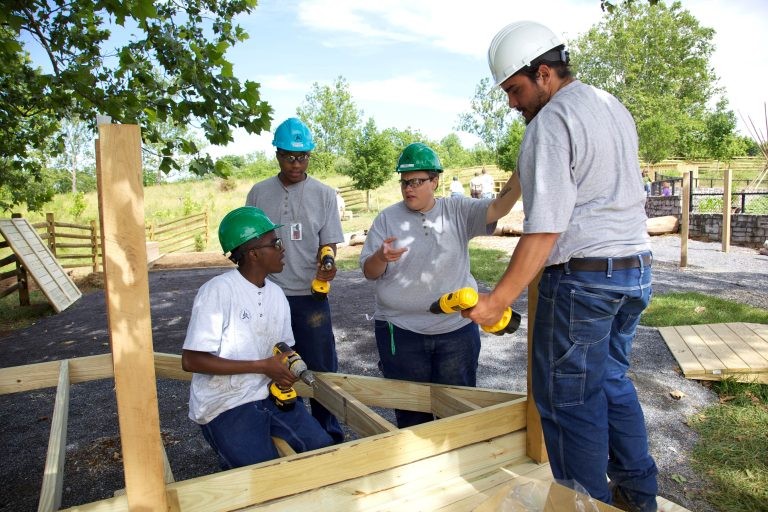
Because it is very difficult to turn a competitive conflict relationship into a cooperative conflict relationship, a cooperative relationship must be encouraged from the very beginning before the conflict starts to escalate. A cooperative conflict atmosphere promotes perceived similarity, trust, flexibility, and open communication. If both parties are committed to the resolution process, there is a sense of joint ownership in reaching a conclusion.
Consequently, the most important thing you can do to enhance cooperative and productive conflict is to practice critical self-reflection. Business consultants in the United States offer various versions of the Seven-Step Conflict Resolution Model that is a good place to start. The seven steps are:
- State the Problem. Ask each of the conflicting parties to state their view of the problem as simply and clearly as possible.
- Restate the Problem. Ask each party to restate the problem as they understand the other party to view it.
- Understand the Problem. Each party must agree that the other side understands both ways of looking at the problem.
- Pinpoint the Issue. Zero in on the objective facts.
- Ask for Suggestions. Ask how the problem should be solved.
- Make a Plan.
- Follow up.
A quick review of the previous seven steps betrays its western roots with the unspoken assumption that conflicting individuals will be verbally direct and emotionally restrained or advocates of the discussion style of conflict. This model is not effective for use in all cultures and shouldn't be regarded as such.