Tourism
- 4c Evaluate the outcomes of interpersonal interactions between people of different cultures (CLO 1, CLO 3, CLO 4)
- 4d Analyze how popular culture and media impact intercultural communication (CLO 1, CLO 4)
Impacts of Tourism
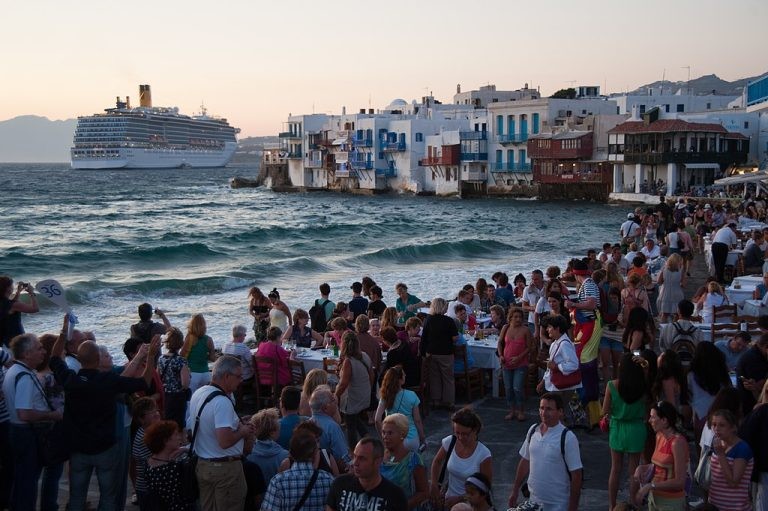
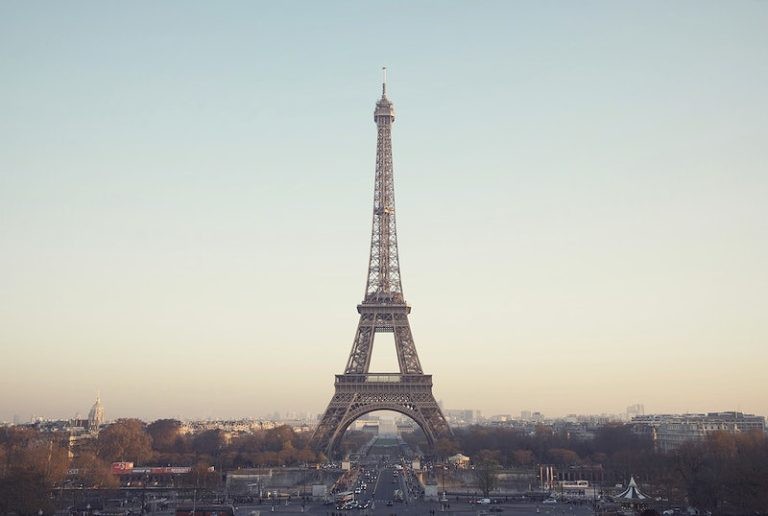
The travel and tourism industry is one of the world's largest industries. Statista.com (ret. 7/26/19) estimates that the global economic contribution of tourism in 2016 was over 7.6 trillion US dollars. This is amazing, considering the tourism industry has experienced growth almost every year. International border crossings increased from 528 million in 2005 to 1.19 billion in 2015 with a forecast of 1.8 billion by 2030. Each year, Europe receives the most international border crossings, but it also produces the most travelers with 607 million outbound in 2017. This constitutes a huge movement of people and a large transfer of resources. International tourism is booming, but it's important to remember that many people travel within their own country. Only about 25% of tourists actually cross national boundaries (Orion, 1982).
Challenges to Tourism
The Great Recession of 2007-2010 popularized a relatively new form of tourism called the staycation. A staycation is an alternative to the traditional vacation and is influenced by such things as economic conditions, availability of discretionary income, and time. One might spend time in their home country visiting local and regional parks, museums, and attractions rather than going abroad. In the larger, more geographically isolated countries, such as the United States and Canada, local and regional travel has probably always been the norm, whereas travelers from the European nations probably expect to cross national boundaries on vacation.
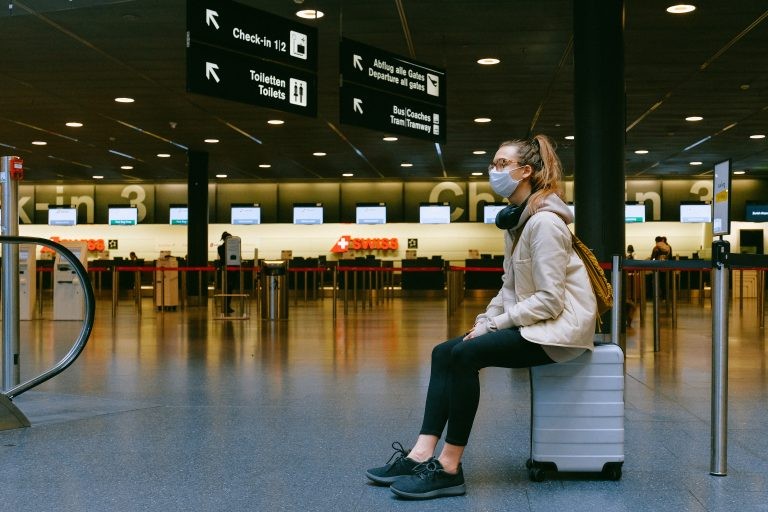
The tourism industry was one of the hardest hit by the COVID-19 pandemic, leaving not only companies but also tourist driven economies severely effected by shutdowns, travel restrictions, and the disappearance of tourists. The World Economic Forum estimates that in 2020 alone that the travel and tourism sector lost $4.5 trillion and 62 million jobs globally (WEF, 6/22). The abrupt halt also caused many travelers to reconsider the staycation or community-based tourism, and the impact of tourism on the climate and environment. Recovery tourism seems to be focused on reconnecting with family and friends along with wellness (WEF, 6/22)
Downturns in the Global Economy
Tourists consider a multitude of factors when deciding where they should or should not go. One such factor is politics. A country's "visitor-friendly" policies are important. Does travel require a passport or visa? Are they easy to obtain? Are they costly? Does the ruling party encourage or discourage visitors?
Instability can have devastating consequences on tourism, but even the perception of political trouble can affect tourism. In recent times, Qatar tourism was largely impacted by a political decision. The UAE and other countries in the region banned travel to and from Qatar. As most tourists to Qatar were from neighboring states, tourist numbers dropped leading to an economic downturn.
Tourism can exacerbate political tensions through environmental disasters as well. Tourism can increase the price of housing, land, goods, and services thereby increasing the cost of living. Imported labor may be needed to support tourist demands unfulfilled through local populations. There might also be additional costs to support the infrastructure needed for tourism such as water, sewer, power, fuel, hospitals, roads, and transportation systems. Plus, tourism uses resources and generates waste well more than local population needs. Without a planning and oversight system, tourism can add problems to an already strained political system.
Overtourism
The word "overtourism" is a relatively new term, but the meaning is clear. Overtourism is when an excessive number of tourist visits to a popular destination or attraction results in damage to the local environment and in poorer quality of life for residents. In other words, there is a limit to the volume any place can reasonably sustain before it and its resources are overwhelmed. Nearly 5000 tourists go to Machu Picchu, Peru each day so the government has started implementing restrictions of timed tickets and daily attendance restrictions. Such restrictions are also in place in Venice, Italy, Dubrovnik, Croatia, the living root bridges in Nohwet, India, and Glacier National Park, Montana.