Healthcare
- 5b Assess how intercultural communication can affect interpersonal relationships in the workplace (CLO 1, CLO 3, CLO 4, CLO 5)
Power and Ethics in Healthcare
Healthcare is ripe with imbalances in power. Providers and patients are not equal in medical knowledge, nor can patients access treatment procedures without referral from a provider. Patients may encounter many healthcare workers within a short amount of time without knowing why or how they are related to treatment. Questions may be seen as a challenge to authority.
In the United States, healthcare is a business. It's a HUGE business. Deloitt.com (ret. 8/11/19) estimates an annual growth rate of 5.4% between 2017 and 2022. In dollars this is 7.077 trillion in 2015 to 8.734 trillion in 2022. The insurance industry drives MOST healthcare decisions in the US. Costs impact how the US thinks about medical resources and their distribution. For people who come from other healthcare systems, the private healthcare system as practiced in the United States can be confusing or downright inaccessible.
Ethics
The insurance industry and the fear of malpractice suits guides many decisions regarding medical ethics in the United States. Some healthcare organizations use ethics committees staffed by healthcare professionals, religious leaders, social workers, and governmental agencies to help make decisions about medical ethics. Such committees could debate about providing or discontinuing care for terminally ill patients and the possible funding of drug rehabilitation programs for a long-term drug addict. If there are value-laden or value-dependent questions that go beyond what medical science can address, but there is a need for a decision to be made, the issue is most often referred to an ethics committee.
In the US, the ethics committee rose into prominence during the 1962 through 1990 time period. In Eastern and Central Europe, ethics committees were the result of fundamental political and societal change during 1989-1990. Whereas in Western Europe, ethics committees were common at the local level, but didn't become nationalized until the early 2000s.
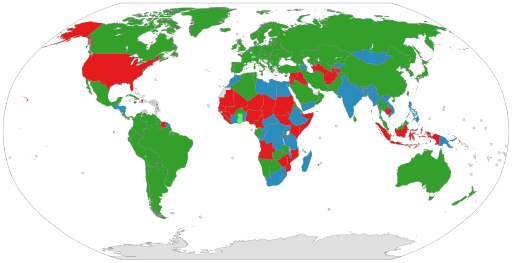
Some medical procedures are very controversial, even among members of the same culture. In the United States, abortion, and euthanasia, or assisting terminally ill people in committing suicide, are two prime examples. As a state, Oregon is often required to defend its ‘Death with Dignity Law' from interest group lawsuits.