Understanding Economic Systems
- 1a Identify foundational business practices (CLO 8)
- 1b Describe economic indicators (CLO 1)
How Business and Economics Work
Economics as a Circular Flow
Another way to see how the sectors of the economy interact is to examine the circular flow of inputs and outputs among households, businesses, and governments as shown in Exhibit 1.6. Let's review the exchanges by following the red circle around the inside of the diagram. Households provide inputs (natural resources, labor, capital, entrepreneurship, knowledge) to businesses, which convert these inputs into outputs (goods and services) for consumers. In return, households receive income from rent, wages, interest, and ownership profits (blue circle). Businesses receive revenue from consumer purchases of goods and services.
The other important exchange in Exhibit 1.6 takes place between governments (federal, state, and local) and both households and businesses. Governments supply many types of publicly provided goods and services (highways, schools, police, courts, health services, unemployment insurance, social security) that benefit consumers and businesses. Government purchases from businesses also contribute to business revenues. When a construction firm repairs a local stretch of state highway, for example, government pays for the work. As the diagram shows, government receives taxes from households and businesses to complete the flow.
Changes in one flow affect the others. If government raises taxes, households have less to spend on goods and services. Lower consumer spending causes businesses to reduce production, and economic activity declines; unemployment may rise. In contrast, cutting taxes can stimulate economic activity. Keep the circular flow in mind as we continue our study of economics. The way economic sectors interact will become more evident as we explore macroeconomics and microeconomics.
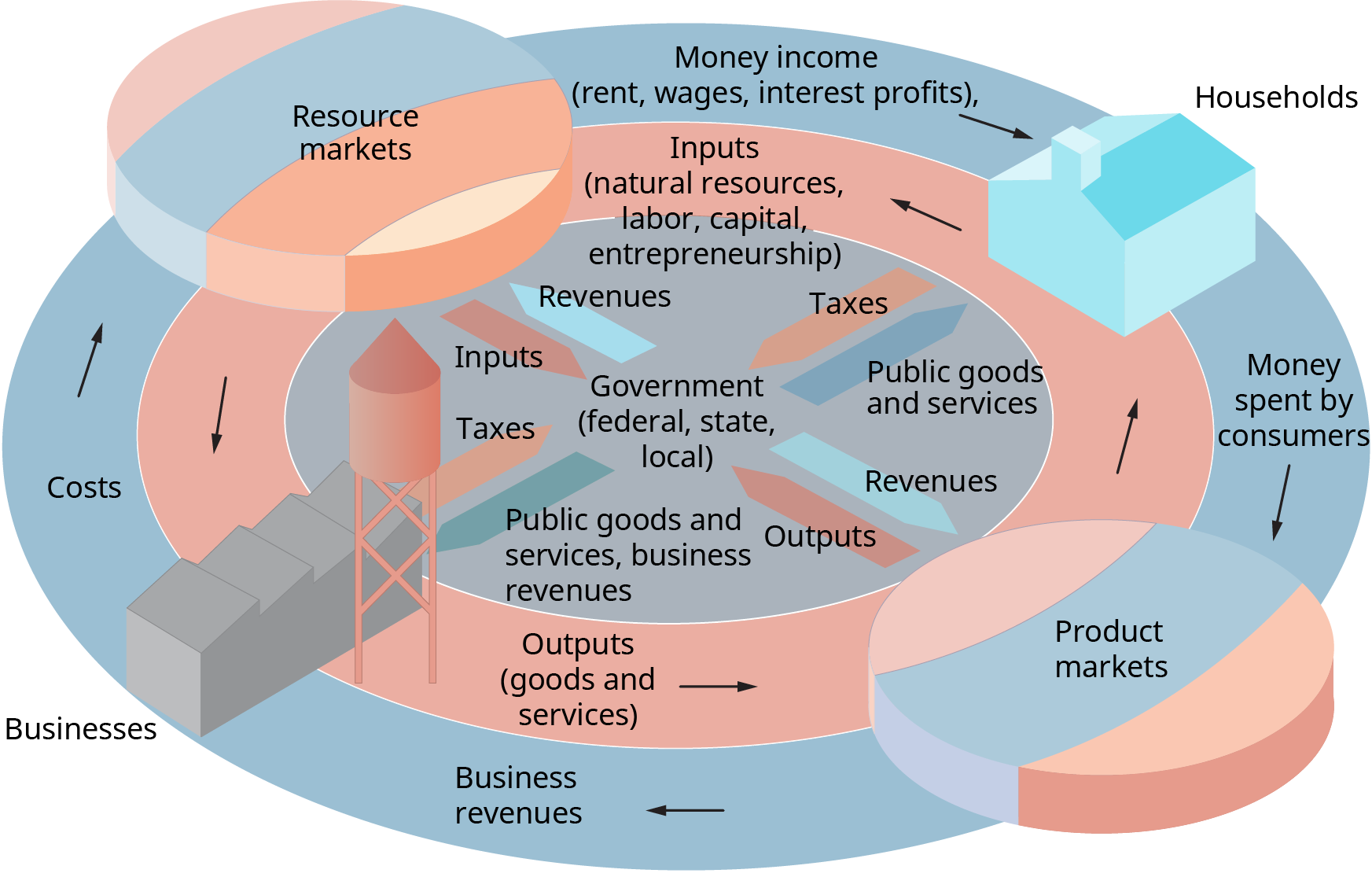
Exhibit 1.6 Economics as a Circular Flow