Healthcare
Cultural Differences in Healthcare Concepts
Health is a cultural concept. Culture frames and shapes how we perceive the world, and our experiences, hence different cultures bring different perspectives on health. Most cultures fall somewhere within the individualism and collectivism continuum. Verbal communication styles that directly affect health care are traits like direct/indirect communication, high/low context, and honesty versus harmony. Nonverbal communication styles would include high and low contact. Healthcare is also heavily impacted by the cultural view of power relationships.
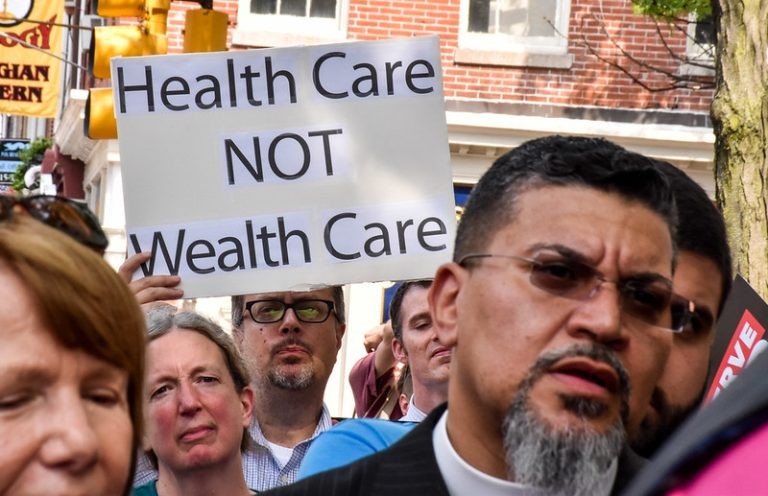
Culture helps to define what patients and healthcare providers believe about the causes of illness, which diseases are stigmatized and why, how illness and pain are experienced and expressed, where patients seek help and ask for help, and the acceptance of a diagnosis. Please remember that as significant as culture can be, within any given culture, there will be variations among individual members.
Belief Systems
The healthcare process is often represented through different worldviews that we commonly call Eastern and Western medicine. Eastern medicine describes a disease as a signal that the body is out of balance. Instead of viewing illness as something to cure, Eastern medicine uses natural plants to work with the natural process of the body. Western medicine relies on the scientific method to understand what causes illness. For many, human beings are just like "machines" that need fixing or tuning to "eradicate the enemy".
In the US, and other nations that practice Western medicine, the dominant healthcare model is based on biomedical science. According to the biomedical model, doctors look for physical signs of what is wrong. Once the symptom is identified, things like drugs and procedures are used to get rid of the problem. Providers who operate from a biomedical model, might communicate in ways that are efficient and logical. This approach uses relatively little time, and providers might see many patients in a day.

In nations that practice Eastern medicine, the dominant healthcare model is biopsychosocial. The biopsychosocial model acknowledges that illness is not always just a physical thing. Disease and illness are often influenced by environment and social factors as well as emotions, stress, and lived experiences. Patients and providers may care deeply about communication and the "bigger picture" which often means spending significant amounts of time working through the illness together.
Alternative Medicine
Healthcare provided outside the traditional Western medical system to Westerners is often referred to as "alternative medicine" whether they fall within the Eastern medical system or not. Alternative medicine can mean returning to traditional cultural medicinal practices such as herbal remedies and sweat lodges, or it can also mean seeking out medical practices that are part of other cultural traditions rather than your own such as acupuncture and cupping.
Alternative medicine generally falls into four broad categories:
- The first is referred to as mind-body medicine which focuses on using the mind to influence the body. These types of approaches might include patient support-group therapy, meditation, and prayer.
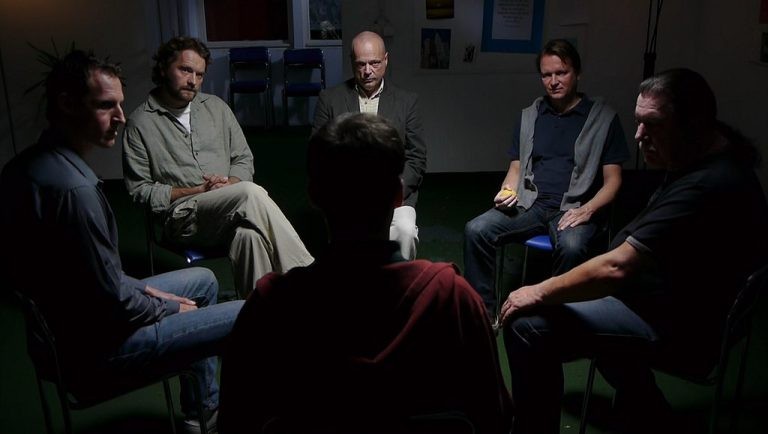
- The second is biologically based practices which refers to the use of products found in nature. These types of approaches include the use of herbal therapies, dietary supplements, and other natural products.

- The third category would be manipulative and body-based practices. This approach refers to the use of massage or chiropractic manipulation to promote health.
- And the last type is referred to as energy medicine which could include acupuncture, Reiki, and certain types of massage.

Social Implications of Illness
The ways that a culture perceives health is influenced by different things within a culture. Social implications can be defined broadly such as climate and environmental factors, but there can also be more specific factors such as emotional, economic, family, and community factors that impact patients.
Diseases often carry their own emotional stigma within a culture. HIV, cancer, alcoholism, drug addiction, and mental illness can cause both patients and family members to feel shameful and withdraw from treatment and cultural interaction.
In countries without universal or nationalized healthcare systems, health costs can economically devastate families, cause family members with employer provided insurance to be underemployed to avoid losing insurance, or impact credit ratings and job opportunities. Poor people can feel that they have no control over health problems and fatalistically make bad choices.
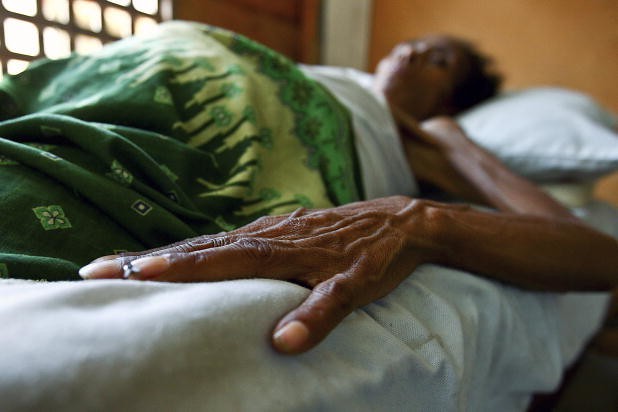
The impact of disease on the families of patients is often unrecognized and underestimated. Family members are often care givers as well as economic providers. Much has been studied about quality of life issues for family members and chronic illnesses cross cultural boundaries although in some families' relationships can grow stronger as members work together.
Much has also been studied about community interaction as well. Community interaction can range from "drifting away" to ostracism and fear of stranger's reactions to community organization of support.