
Verbal Communication
- 1d Compare and contrast verbal and nonverbal communication behaviors in intercultural contexts (CLO 1)
Context Rules of Communication Styles
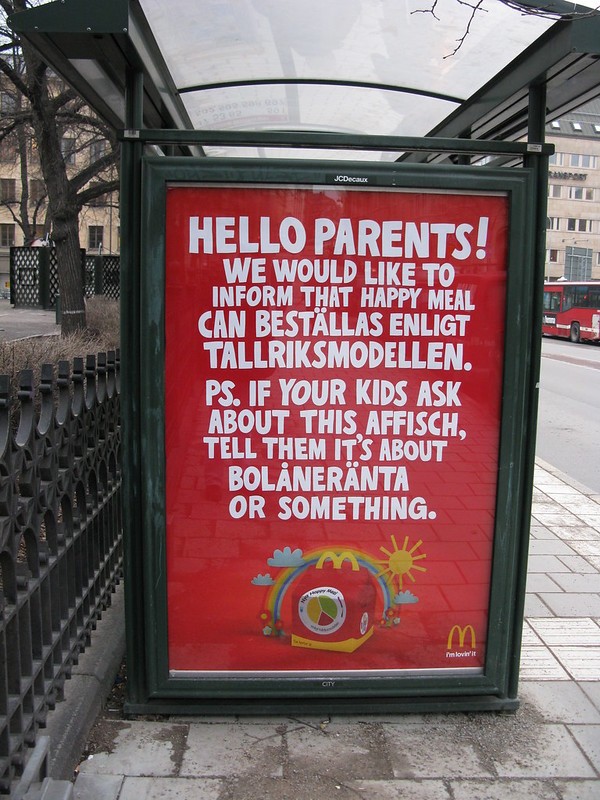
While there are differences in the preferred communication styles used by various cultures, it is important to remember that no particular culture will use the same communication style in all situations all of the time. When a person either emphasizes or minimizes the differences between themselves and the other person in conversation, it is called code-switching. In other words, it's the practice of shifting the language that you use to better express yourself in conversations.
There are many reasons why people may incorporate code-switching in their conversations. People, consciously and unconsciously, code-switch to better reflect the speech of those around them, such as picking up a southern accent when vacationing in the American South. Sometimes people code-switch to ingratiate themselves to others. What teenager hasn't used the formal language of their parents when asking for a favor like borrowing the car or asking for money? Code-switching can also be used to express solidarity, gratitude, group identity, compliance gaining, or even to maintain the exact meaning of a word in a language that is not their own.
What does this mean for intercultural communicators? You will try to adapt to other people's communication preferences. You notice how long people take when speaking, how quickly or slowly they speak, how direct or indirect they are, and how much they appear to want to talk compared to you. You may also need to learn and practice cultural norms for nonverbal behaviors, including eye contact, power distance, and touch. Please use caution to avoid inappropriate imitation though. Mimicking can be considered disrespectful in some cultural contexts, whereas an honest desire to learn is usually interpreted positively.